
Strong current-use field
immunotherapyforleukemia.com
Evidence snapshot
Patients, caregivers, clinicians, and research-aware readers.
Educational only. Treatment depends on cancer subtype, stage, biomarkers, prior therapy, and local approvals.
Patient language access
Leukemia first, then the full page.
Choose a language to open this leukemia immunotherapy page through Google Translate. Automated translation is for orientation only; clinical decisions still need an oncologist, interpreter, and local treatment advice.
About this cancer
Quick clinical overview
Leukemia includes acute and chronic blood cancers. ALL is more common in children, while AML, CLL, and several chronic leukemias are more common in older adults.
Major types include acute lymphoblastic leukemia, acute myeloid leukemia, chronic lymphocytic leukemia, chronic myeloid leukemia, hairy cell leukemia, and rarer acute or chronic leukemias.
Risk factors vary by subtype and can include age, prior chemotherapy or radiation, inherited predisposition, Down syndrome for some leukemias, benzene exposure, smoking for AML, immune context, and acquired genetic mutations.
Symptoms can include fatigue, fever, infections, bruising, bleeding, bone pain, swollen lymph nodes, enlarged spleen, night sweats, weight loss, and abnormal blood counts.
Diagnosis uses complete blood count, blood smear, flow cytometry, bone marrow biopsy, cytogenetics, FISH, molecular testing, lumbar puncture in selected ALL, and MRD monitoring. There is no routine population screening.
Treatment includes chemotherapy, targeted therapy, monoclonal antibodies, bispecific antibodies, CAR T-cell therapy in selected disease, stem cell transplant, supportive transfusions, infection care, and trials.
Condition-specific visual cues
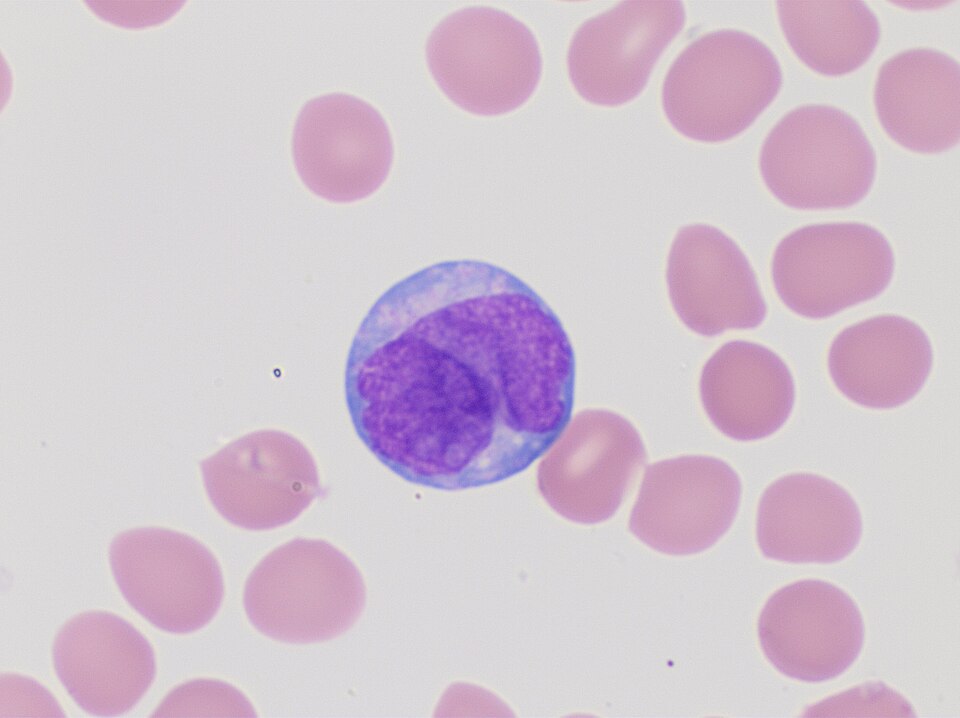
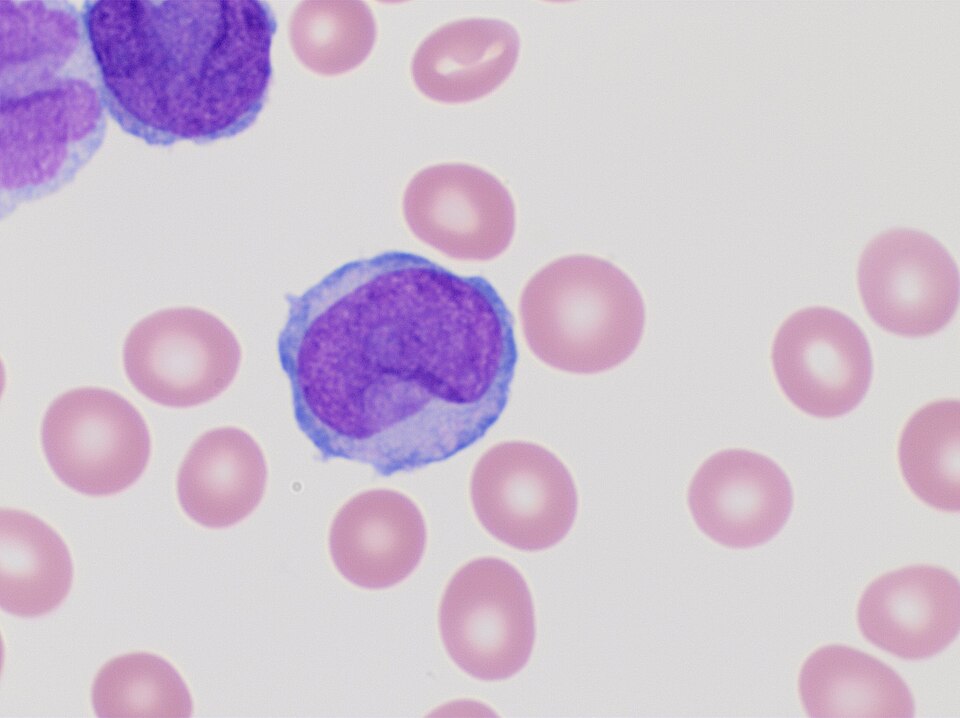
Scans, pathology, and testing imagery
Stage 4 and metastatic disease
Advanced cancer context
Leukemia is usually already a blood and marrow disease rather than a solid tumor staged 1-4; advanced disease may involve marrow failure, blood, spleen, lymph nodes, CNS, skin, or other extramedullary sites.
Blood counts, smear, flow cytometry, bone marrow biopsy, cytogenetics, molecular testing, MRD, lumbar puncture in selected ALL, and imaging for extramedullary disease may be used.
CAR T-cell therapy, bispecific antibodies, monoclonal antibodies, antibody-drug conjugates, and transplant-related immune effects are important for selected relapsed/refractory leukemias.
Ask the oncology team whether stage 4 treatment is aiming for remission, long-term control, symptom relief, trial entry, or a sequence of several systemic treatments.
Treatment sequence
Where immunotherapy usually fits
Immunotherapy is often considered after surgery, radiation, chemotherapy, hormone therapy, or targeted therapy, especially when cancer is recurrent, metastatic, or hard to control. But that is not a fixed rule. In some cancers, immunotherapy is already used first-line, before surgery, after surgery to reduce recurrence risk, or early for biomarker-selected tumors. The right timing depends on the cancer type, stage, biomarkers, prior treatments, symptoms, urgency, performance status, and clinical trial availability.
This site separates current standard use from research-only use. Patients should ask their oncology team: Is immunotherapy approved for my exact cancer and stage, is it biomarker-dependent, and is there a trial that should be considered before or after conventional treatment?
Cost and access
Coverage changes frequently
Immunotherapy can be very expensive, especially CAR T-cell therapy, personalised vaccines, and newer checkpoint inhibitor combinations. This section is a current-status indicator only, not a guarantee of payment. A medicine may be approved but not funded, funded only for one cancer stage or biomarker group, or covered only after other treatments have been tried.
Always check the latest local formulary, insurer pre-authorisation rules, trial protocol, and the exact wording of the indication. Funding can change quickly when a new drug, biomarker group, line of therapy, or price agreement is approved.
The treating oncologist, cancer center pharmacist, clinical trials unit, social worker, or hospital financial navigator is usually the best source for current local access, insurer appeals, compassionate access, manufacturer programs, and whether a trial may cover the study drug.
United States
Government / public: Medicare/Medicaid may cover FDA-approved and medically accepted cancer immunotherapies when medical-necessity and site-of-care rules are met. Medicare has a national coverage determination for FDA-approved or compendia-supported autologous CAR T-cell therapy at REMS-enrolled facilities; non-FDA-approved CAR T is non-covered outside qualifying trial/routine-cost rules.
Private insurance: Private insurance may cover approved uses, but prior authorization, step therapy, network rules, specialty-center rules, copays, coinsurance, and denial appeals are common.
Australia
Government / public: PBS may subsidise listed immunotherapy medicines for specific cancer indications and restrictions; Medicare/MBS and public hospitals may cover services around treatment. Some cellular therapies are funded through specialised public hospital pathways rather than ordinary pharmacy dispensing.
Private insurance: Private health insurance may help with hospital and specialist costs, but unfunded cancer drugs or off-label immunotherapy may still be out-of-pocket unless specifically approved.
United Kingdom
Government / public: NHS access usually depends on NICE technology appraisal recommendations, Cancer Drugs Fund arrangements, or national commissioning rules for the exact medicine and indication.
Private insurance: Private insurance may cover approved oncology drugs if included in the policy and pre-authorised; off-label or trial-only use is often excluded.
Canada
Government / public: After Health Canada approval, public drug programs and cancer agencies decide reimbursement. CDA-AMC gives non-binding reimbursement recommendations; provinces and territories make final decisions, so access varies.
Private insurance: Private plans may cover some outpatient drugs, but many hospital-administered cancer drugs are handled through provincial cancer systems. Coverage is highly plan- and province-specific.
New Zealand
Government / public: Pharmac funding determines access for many medicines. A drug can be clinically useful or approved elsewhere but not publicly funded for a given New Zealand indication.
Private insurance: Private insurance or self-funding may help in selected cases, but high-cost immunotherapy can remain unaffordable without public funding or a trial.
European Union / EEA
Government / public: EMA marketing authorisation is not the same as reimbursement. Each country makes health-technology assessment, pricing, and reimbursement decisions through national systems.
Private insurance: Private cover varies widely by country and policy. Approved but not reimbursed indications may still require self-pay, compassionate access, or trial access.
Other countries
Government / public: Coverage varies greatly. Some countries fund only a limited set of immunotherapies; others require self-pay, charity access, manufacturer access programs, or referral to major cancer centers.
Private insurance: Insurance may cover approved cancer medicines, but high-cost CAR T, checkpoint inhibitors, vaccines, or off-label combinations often need pre-approval and may be excluded.
Approved and commonly used context
Current immunotherapy use
- CD19-directed CAR T-cell therapy is established for selected relapsed or refractory B-cell ALL.
- Bispecific antibodies and antibody-drug conjugates are important in selected leukemia subtypes.
- Stem cell transplant is also an immune-based anti-leukemia strategy, though it is not usually described as modern immunotherapy.
What to watch next
Research direction
- Earlier-line CAR T, off-the-shelf cell therapy, CAR NK cells, MRD-guided treatment, and relapse prevention after transplant.
- New targets for AML and safer immune approaches for older or medically fragile patients.
CD19
CD22
CD33
MRD
BCR-ABL
FLT3
NPM1
Live trial radar
ClinicalTrials.gov links
Paper and source trail